
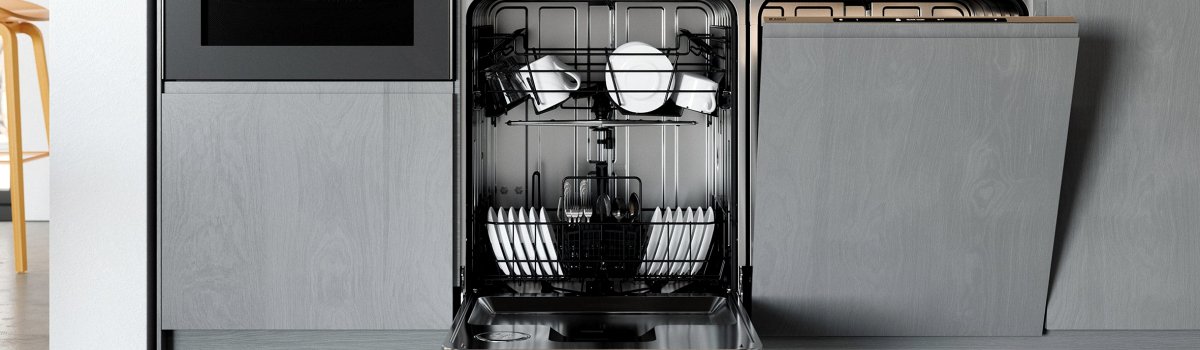
If your Asko dishwasher is showing Error Code L7, it usually signals a problem with the door. The dishwasher detects that the door is either not fully closed or not properly latched, which prevents the appliance from starting or running safely. Understanding why the L7 error appears, how to troubleshoot it, and how to prevent it in the future will save you time, frustration, and unnecessary service calls.
What Does L7 Mean on an Asko Dishwasher?
The L7 code is a door-related error. Modern dishwashers are designed with safety sensors that prevent the appliance from operating when the door is not securely closed. This ensures that water does not leak out during a cycle and that the dishwasher functions safely.
When the door is not properly latched, the sensor sends a signal to the control board, which then triggers the L7 error. In some cases, even a small misalignment or debris blocking the latch can cause the error.
Common symptoms of an L7 error include:
- Dishwasher refuses to start
- Cycle stops midway
- Error code displayed on the control panel
- Unusual beeping or indicator lights
Common Causes of L7 Errors
The L7 error can be caused by a few key factors. Understanding these causes helps determine whether you can fix it yourself or if professional help is needed.
- Door Not Fully Closed: The most frequent cause is the door being slightly ajar. Sometimes the dishwasher may appear closed, but the latch isn’t engaged.
- Damaged Door Seal: A worn or torn seal can prevent the door from closing tightly, leading to L7 errors.
- Malfunctioning Door Sensor: The sensor that detects whether the door is closed can fail or become dirty. Obstructions or buildup around the sensor may trigger the error.
- Mechanical Issues with the Door Latch: Hinges or latches may become misaligned or worn over time, preventing proper closure.
- Electronic Glitches: Occasionally, a temporary glitch in the control system can cause an L7 error even if the door is properly closed.
Step-by-Step DIY Troubleshooting
Many L7 errors can be resolved with simple inspections and adjustments. Here’s a practical approach:
Start by checking the door position. Open the dishwasher and close it firmly, ensuring it latches properly. Sometimes, gently pressing the door while starting the cycle resolves the issue.
Next, inspect the door seal. Look for cracks, tears, or worn areas that could prevent a tight closure. If the seal appears damaged, replacing it is the most reliable solution.
Check the door sensor for debris or buildup. Dirt, soap residue, or food particles around the sensor can prevent it from working correctly. Cleaning the sensor and surrounding area with a soft cloth can often clear the error.
Finally, try resetting the dishwasher. Turn off the machine, unplug it or switch off the circuit for a few minutes, and then power it back on. This can clear temporary glitches and allow the control board to recalibrate.
Real-Life Examples of L7 Errors
Many dishwasher owners encounter L7 errors due to everyday scenarios:
- A dishwasher loaded too heavily, pressing against the door and preventing it from closing completely.
- A dish or utensil blocking the latch, creating a small obstruction that triggers the error.
- A worn gasket in older dishwashers that no longer allows a perfect seal.
- In some cases, residual soap buildup around the latch or sensor prevents proper contact.
These examples show that the L7 error is often simple to resolve once the cause is identified.
Preventive Tips to Avoid L7 Errors
Preventing L7 errors can save time and maintain your dishwasher’s performance. Consider these tips:
- Always check the door before starting a cycle to ensure it is fully closed.
- Avoid overloading the dishwasher, which can press dishes against the door or latch.
- Clean the door seal and sensor area regularly to prevent residue buildup.
- Inspect the door hinges and latch periodically for signs of wear or misalignment.
- Follow the manufacturer’s maintenance guidelines for your Asko dishwasher.
By taking these preventive measures, you can reduce the likelihood of encountering L7 errors and extend the life of your appliance.
When to Seek Professional Help
While many L7 errors are simple to fix, persistent or recurring issues may require professional attention. Technicians can:
- Diagnose whether the problem lies with the sensor, latch, or control board
- Replace faulty parts with genuine Asko components
- Ensure the dishwasher is aligned and sealed correctly for optimal performance
Professional intervention is especially recommended if the error persists after DIY troubleshooting or if you notice additional problems such as leaks or erratic operation.
Understanding the Risks of Ignoring L7
Ignoring an L7 error can lead to:
- Water leaks that can damage your kitchen floors or cabinetry
- Reduced dishwasher performance due to incomplete cycles
- Strain on mechanical components if the door is repeatedly forced closed
Addressing the error promptly ensures both the safety and efficiency of your appliance.
Conclusion
The Asko dishwasher L7 error indicates a door-related issue, often related to closure, seal, or sensor problems. While many L7 errors can be resolved with careful inspection, cleaning, and minor adjustments, persistent issues may require professional service. Regular maintenance, proper loading, and attention to the door’s alignment can prevent L7 errors and keep your dishwasher operating efficiently. Understanding the causes, solutions, and preventive strategies ensures a smoother laundry routine and protects your appliance from unnecessary wear and damage.