
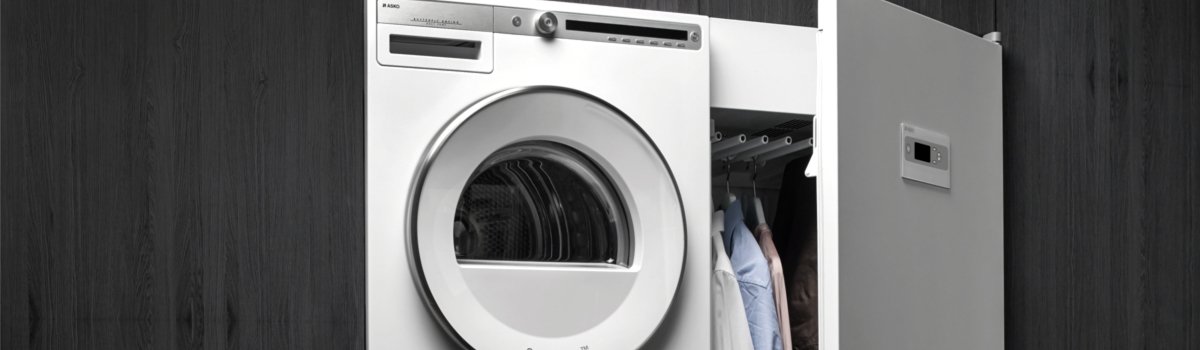
If your Asko dryer is showing Error Code F3, it usually points to a thermistor fault, a component critical for regulating the appliance’s temperature. Understanding what this error means, why it occurs, and how to address it can help prevent further damage, save repair costs, and keep your laundry routine on track. This guide will break down the causes, step-by-step solutions, and preventive tips in simple, easy-to-follow terms.
What Is the F3 Error on an Asko Dryer?
The F3 error is triggered when the dryer detects that the thermistor is malfunctioning. The thermistor is a temperature-sensitive resistor that monitors and adjusts the dryer’s internal heat to ensure efficient drying without overheating.
When the thermistor fails or sends inaccurate readings, several issues can appear: clothes may not dry fully, drying cycles may take much longer, or the dryer may shut off unexpectedly to prevent overheating.
Unlike minor glitches, the F3 error usually points to a mechanical or electrical issue that requires attention. Ignoring it can lead to further damage to the dryer’s heating system or even risk overheating.
How the Thermistor Works
To understand the F3 error fully, it helps to know how a thermistor functions.
A thermistor measures temperature by changing its resistance in response to heat. The dryer’s control board reads this resistance and adjusts the heating element accordingly. When the thermistor works properly, it ensures that the dryer heats consistently throughout the cycle.
If the thermistor fails, the control board may detect abnormal readings, triggering the F3 error. This can cause the dryer to heat too much, not heat enough, or stop mid-cycle.
In addition, environmental factors like excessive lint buildup or a blocked vent can interfere with the thermistor’s ability to sense temperature correctly, although these are usually secondary issues.
Common Causes of Asko Dryer F3
While the thermistor itself is the primary cause of F3, other contributing factors include:
- Open or Faulty Thermistor: A broken circuit or malfunctioning thermistor cannot relay accurate temperature readings. This is the most common reason for the F3 code.
- Wiring Issues: Loose, damaged, or disconnected wires between the thermistor and control board can trigger the error.
- Control Board Problems: Occasionally, the issue is not with the thermistor but with the electronics that read it.
- Blocked Venting or Lint Buildup: Excess heat due to poor airflow can put stress on the thermistor, making it more likely to fail.
Understanding the cause can help you determine whether it’s something you can fix yourself or if professional repair is necessary.
How to Diagnose F3 at Home
Before calling a technician, you can perform some basic checks to identify the problem. Always unplug the dryer before inspecting internal components.
Start with a visual inspection of the thermistor. Look for signs of damage such as burn marks, cracks, or corrosion. A compromised thermistor should be replaced.
Next, examine the wiring connections. Ensure all connectors are tightly secured and that wires are free from damage or corrosion. Even slightly loose wiring can cause the dryer to display an F3 error.
For users comfortable with electrical work, a multimeter can be used to check the thermistor’s resistance. Compare your readings with the specifications in the dryer’s service manual. Resistance outside the recommended range indicates a faulty thermistor.
Finally, check for any physical obstructions in the drum or venting system. While this is not the primary cause of F3, poor airflow can stress the thermistor and lead to errors.
Step-by-Step DIY Fixes
If you are confident handling basic dryer maintenance, here are safe steps to attempt:
- Unplug the Dryer: Safety first. Ensure the dryer is disconnected from power.
- Inspect and Replace the Thermistor: Remove the faulty thermistor and install a replacement according to your dryer model’s instructions.
- Check Wiring: Secure all connectors and replace damaged wires. Avoid bending wires sharply, which can weaken them over time.
- Clear Lint and Venting: Clean lint filters, dryer ducts, and exhaust vents. Proper airflow can prevent thermistor stress and prolong its life.
- Test the Dryer: Plug the appliance back in and run a short cycle to see if the F3 error clears.
While these steps often resolve the issue, if the error persists, it may indicate a more complex problem with the control board or another internal component.
Real-Life Examples of F3 Errors
Many Asko dryer owners encounter F3 due to common scenarios:
- Overloaded Dryer Loads: Excessive weight in the drum can strain the thermistor, leading to overheating.
- Old or Worn Thermistor: Thermistors have a limited lifespan. Over years of use, they can fail naturally.
- Moisture or Corrosion: Dryers in humid environments may experience corrosion on thermistor terminals, causing intermittent faults.
- Blocked Venting: In one case, a dryer repeatedly displayed F3 until the venting system was cleaned. Once airflow was restored, the error disappeared.
These examples show that F3 is usually a manageable problem, especially when diagnosed early.
Preventive Maintenance Tips
Maintaining your dryer reduces the chance of an F3 error and improves overall performance.
- Regularly Clean Lint Filters and Vents: Proper airflow prevents excessive heat buildup.
- Avoid Overloading: Large, heavy loads strain both the motor and thermistor.
- Check Wiring and Connectors: Inspect every few months for wear or corrosion.
- Keep the Dryer Level and Ventilated: Proper placement ensures accurate temperature readings and prevents unnecessary stress on the thermistor.
- Schedule Routine Service: Periodic professional inspections can catch small problems before they trigger error codes.
Preventive maintenance not only reduces errors like F3 but also extends the overall lifespan of your dryer.
When to Call a Professional
Persistent F3 errors, especially after attempting DIY fixes, should be handled by a trained technician. Professionals can:
- Accurately diagnose whether the thermistor or control board is at fault
- Replace components with genuine Asko parts
- Test the dryer’s performance to ensure safe and consistent heating
Calling a professional avoids further damage and ensures the dryer runs efficiently and safely.
Conclusion
The Asko dryer F3 error signals a thermistor problem, a crucial component for regulating heat. While many issues can be addressed with careful inspection, wiring checks, and thermistor replacement, persistent problems may require professional repair. Preventive maintenance, proper load management, and routine inspections are the best ways to minimize the risk of F3 errors. Understanding the causes, solutions, and preventive tips ensures your dryer stays reliable and keeps your laundry routine smooth.