
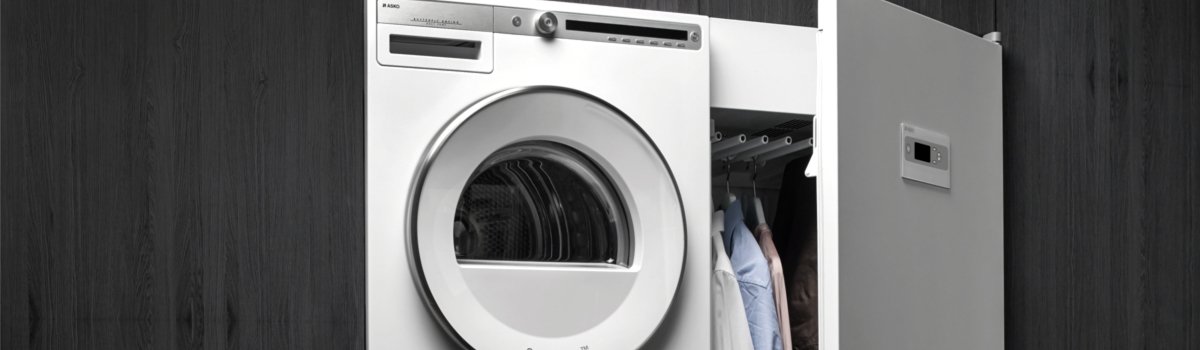
If your Asko dryer displays Error Code F4, it signals an issue related to excessive lint accumulation. Lint buildup is more than just a minor inconvenience—it can affect drying efficiency, extend cycle times, and even create safety hazards if left unaddressed. Understanding the F4 error, why it occurs, and how to fix it can keep your dryer operating safely and efficiently for years.
What Is the F4 Error?
The F4 error code is triggered when the dryer detects too much lint in critical areas, including the lint filter, front housing, or the condenser. Lint accumulation can restrict airflow, which reduces the dryer’s ability to circulate heat effectively. When airflow is blocked, the dryer may overheat, perform poorly, or even shut down mid-cycle to prevent damage.
Lint is a natural byproduct of drying fabrics, especially towels, blankets, and cotton clothing. While normal accumulation is expected, excessive lint can overwhelm the system and trigger the F4 error.
Common Causes of Error F4
Understanding the root causes helps prevent recurrence. The main contributors to F4 errors include:
- Clogged Lint Filter: If the filter is not cleaned regularly, lint can build up and restrict airflow.
- Lint in Front Housing: The area behind the dryer door or around the drum can collect lint over time, creating airflow resistance.
- Dirty Condenser: In condenser dryers, lint can accumulate inside the condenser, which interferes with heat exchange and triggers error codes.
- Neglected Maintenance: Skipping regular cleaning and inspection allows lint to reach critical levels, leading to repeated F4 errors.
These causes highlight the importance of routine maintenance for your Asko dryer.
How to Fix F4: DIY Steps
Many F4 errors can be resolved with simple cleaning and inspection. Here’s a step-by-step guide:
- Clean the Lint Filter: Remove the lint filter after every drying cycle and clear all lint. Use a soft brush if necessary to remove trapped fibers.
- Inspect the Front Housing: Open the dryer door and examine the front housing for lint. Use a small brush or vacuum to remove any accumulation that could block airflow.
- Clean the Condenser: Consult your Asko dryer manual to locate the condenser. Remove it if necessary and clean away lint using a vacuum, compressed air, or a soft brush. Proper condenser maintenance ensures effective heat exchange.
- Check the Venting System: Even if your dryer is a condenser model, ensure that any air pathways are clear of obstructions. Proper airflow is essential to prevent F4 errors.
After cleaning, run a short drying cycle to verify that the F4 error has cleared. In most cases, proper cleaning will resolve the issue.
Real-Life Examples of F4 Errors
Asko dryer owners often encounter F4 errors due to everyday usage habits. Some examples include:
- Heavy Loads of Towels or Blankets: These fabrics shed more fibers, which can overwhelm the lint filter and condenser.
- Infrequent Cleaning: Skipping routine lint removal can cause slow buildup that eventually triggers the error.
- Pets in the Household: Pet hair can accumulate along with lint, exacerbating airflow restrictions.
These scenarios show how simple preventative measures can save time, energy, and the need for professional repair.
Preventive Maintenance Tips
To avoid F4 errors in the future, adopt the following maintenance practices:
- Clean Lint Filters After Every Cycle: This is the single most effective way to prevent lint buildup.
- Inspect the Front Housing Regularly: Remove lint from behind the door and around the drum periodically.
- Schedule Condenser Cleaning: Depending on usage, clean the condenser every few months or according to your dryer manual.
- Avoid Overloading: Large, dense loads produce more lint and strain airflow, increasing the likelihood of F4.
- Monitor Drying Efficiency: If cycles start taking longer than usual, inspect lint accumulation as a first step.
Routine attention to these areas can significantly reduce the risk of repeated F4 errors and ensure consistent dryer performance.
Why Addressing F4 Is Important
Ignoring F4 errors can have more serious consequences than a slightly longer drying cycle. Excessive lint can cause overheating, reduce the efficiency of the dryer, and in extreme cases, create a fire hazard. Addressing the error promptly protects your appliance, your clothes, and your home.
When to Call a Professional
While most F4 errors can be resolved with proper cleaning and maintenance, persistent errors or unusual dryer behavior should be inspected by a qualified technician. Professionals can:
- Deep-clean condensers and airflow pathways
- Inspect for hidden lint accumulation in hard-to-reach areas
- Verify that sensors and electronic components are functioning correctly
Calling a professional ensures that the dryer operates safely and reliably.
Conclusion
The Asko dryer F4 error is a warning about excessive lint accumulation in the lint filter, front housing, or condenser. While it can disrupt drying cycles, it is usually easily fixed with proper cleaning and routine maintenance. By keeping lint filters, housings, and condensers clean, inspecting your dryer regularly, and avoiding overloading, you can prevent F4 errors and maintain optimal dryer performance for years.
Proper attention to lint management not only resolves the F4 error but also improves energy efficiency, drying times, and overall appliance longevity. Understanding the causes and implementing preventive measures ensures your Asko dryer continues to work safely and effectively.