
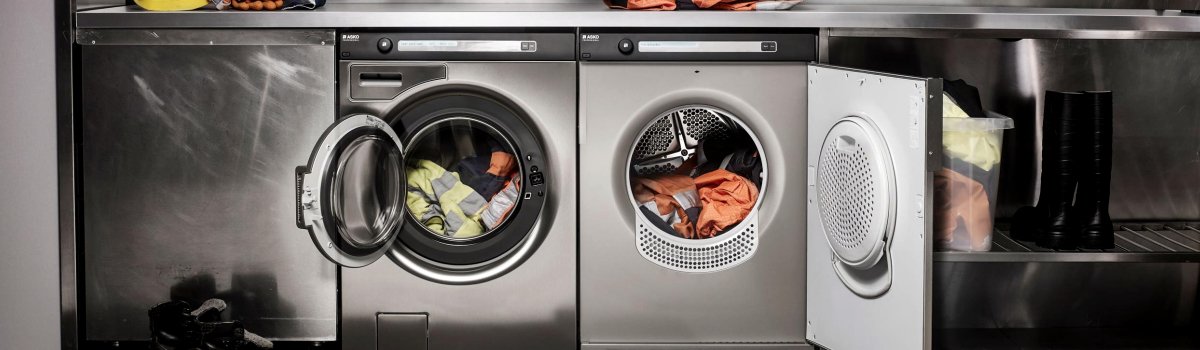
If you own an Asko washer, seeing an E3 error code on the display can be alarming. This error indicates a problem with the water filling process, meaning your washer is struggling to get the water it needs to operate. While it can be frustrating, most E3 issues are solvable with some basic troubleshooting. In this article, we’ll break down everything you need to know about the E3 error, from what it means to practical steps you can take to fix it yourself and prevent it in the future.
What Is the E3 Error on Asko Washers?
The E3 error code signals a Water Filling Error. Essentially, your washer is unable to fill with water at the required rate, which stops it from starting the washing cycle. This can happen suddenly or gradually, depending on the underlying cause.
Common signs of this issue include:
- The washer stops mid-cycle before filling completely.
- The machine displays the E3 error code repeatedly.
- Unusual delays when trying to start a wash.
This error is critical because without proper water flow, your washer cannot function, and ignoring it may lead to more serious issues.
Common Causes of Asko Washer E3 Error
There are several reasons why your Asko washer may display the E3 error code. Understanding the cause will help you determine whether it’s something you can fix yourself or if professional help is needed.
- Blocked water inlet hose: Kinks, twists, or debris in the hose can reduce water flow.
- Faulty water inlet valve: If the valve does not open properly, water cannot enter the washer.
- Low water pressure: Weak water supply from your household pipes may trigger the error.
- Malfunctioning water level sensor: If the sensor fails, the washer may think it is full or empty incorrectly.
- Electronic glitches: Occasionally, the washer’s internal software may misread signals, causing a false E3 error.
DIY Solutions for Asko Washer E3
Before calling a technician, there are several troubleshooting steps you can try at home. Many Asko washer owners are able to fix the E3 error with some simple checks and maintenance.
Step 1: Check the Water Supply
Make sure your water faucets are fully open and that there is no interruption in your household water flow. If water pressure is very low, the washer may not fill correctly.
Step 2: Inspect the Water Inlet Hose
- Look for kinks, bends, or twisted sections of the hose.
- Detach the hose and check for debris or buildup inside.
- Reconnect and secure it properly to restore normal flow.
Step 3: Clean the Water Inlet Valve
Over time, sediment and mineral deposits can block the valve screen. Turn off the water, remove the inlet hose, and carefully clean the filter screen.
Step 4: Test the Water Inlet Valve
If cleaning doesn’t help, the valve may be faulty. Testing may require a multimeter or guidance from the washer’s manual. Replacing a broken valve often resolves the error.
Step 5: Inspect the Water Level Sensor
Look for visible damage or loose connections. A malfunctioning sensor can incorrectly detect water levels and trigger the E3 code.
Step 6: Reset the Washer
Unplug the machine for a few minutes, then reconnect it. This can sometimes clear temporary electronic glitches.
Preventing Future E3 Errors
Once your washer is working normally again, you can reduce the chances of the E3 error happening in the future with some simple preventative measures:
- Regularly check and clean the water inlet hose and valve to prevent buildup.
- Avoid kinking or bending hoses during installation.
- Ensure your home water pressure is consistent and strong enough for your washer.
- Periodically inspect internal sensors for wear or loose connections.
- Use a water softener if you have hard water to reduce mineral deposits.
Regular maintenance not only prevents E3 errors but also extends the overall lifespan of your Asko washer.
Final Thoughts
The E3 error code on an Asko washer is a common issue related to water filling problems, but it doesn’t always require professional repair. By following these steps, you can often troubleshoot and resolve the issue yourself. Cleaning hoses, checking the water supply, and inspecting the valve and sensor can go a long way toward restoring your washer to normal operation.
Being proactive with maintenance and water care will help prevent the E3 error from returning, keeping your washer running smoothly for years to come.