
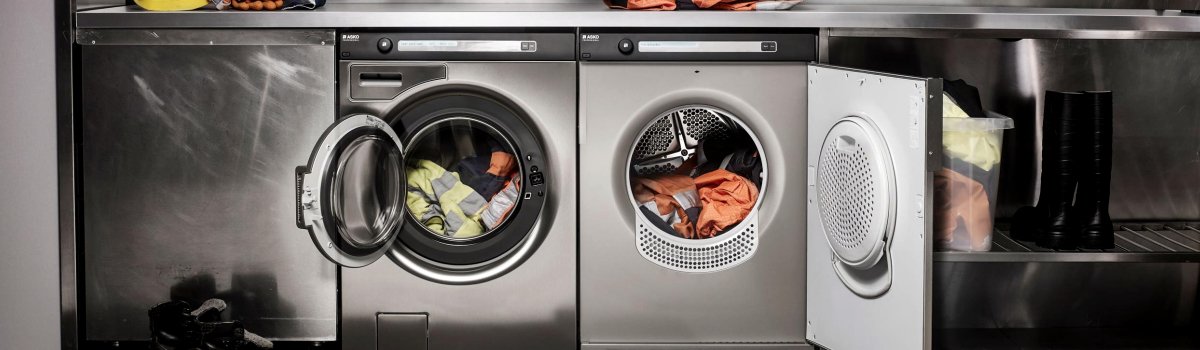
If you own an Asko washer, you might occasionally encounter error codes that interrupt your laundry routine. One of the common issues users face is Error Code E7.1, which signals a problem with your washer’s drainage system. Understanding what this error means, why it happens, and how to fix it can save you time, frustration, and even costly repairs.
What Does Error Code E7.1 Mean?
When your Asko washer displays E7.1, it is alerting you that water is not draining properly during the wash cycle. This can affect your machine’s performance, causing incomplete washes, water remaining in the drum, or unusual noises. The washer constantly monitors water levels and drainage, so when something is blocked or malfunctioning, it triggers this error.
Drainage issues can be caused by several factors: clogged filters, faulty drain pumps, kinked hoses, or even improper installation. Identifying the exact cause is the first step in resolving the problem effectively.
Common Causes of Drainage Problems in Asko Washers
Drainage problems are not uncommon in washing machines, and the Asko washer is no exception. Here are some typical reasons why E7.1 might appear:
- Clogged Drain Hose: Over time, lint, small clothing items, or detergent residue can build up in the hose, blocking water flow.
- Blocked Drain Filter: Filters catch lint, coins, and other debris. If they are not cleaned regularly, water can’t drain properly.
- Drain Pump Malfunction: The pump is responsible for pushing water out of the washer. Damage, worn parts, or obstructions in the pump can trigger E7.1.
- Improper Hose Installation: If the drain hose is installed too high, submerged in water, or kinked, water flow is restricted.
- Electronic Glitches: Occasionally, an error can appear due to a temporary software or electrical issue rather than a mechanical problem.
Understanding these causes can help you pinpoint the issue and decide whether you can fix it yourself or need professional assistance.
DIY Solutions to Fix E7.1
Many drainage issues are easy to resolve without calling a technician. You can try these steps safely at home:
- Check the Drain Hose
Disconnect the hose from both the washer and the drainage point. Inspect for debris or blockages, and flush the hose with water. Make sure it is not twisted or bent. - Clean the Drain Filter
Locate the filter at the bottom front of your washer. Unscrew the cap and remove any lint, coins, or small objects. Rinse the filter thoroughly and reinsert it correctly. - Inspect the Drain Pump
The pump may have caught debris like coins, small socks, or hairpins. Remove any obstructions carefully. If you notice cracks, leaks, or broken parts, the pump might need replacement. - Ensure Proper Hose Installation
Make sure the hose height matches the manufacturer’s recommendations, and that it is not submerged in water. Proper alignment is essential for smooth drainage. - Reset the Washer
Turn off your washer, unplug it, and wait for a few minutes. Plug it back in and restart the machine. Sometimes a reset can clear electronic glitches causing the error.
Following these steps often resolves the E7.1 error, but if the problem persists, professional service may be required.
Preventive Measures to Avoid Future Drainage Problems
Preventing drainage issues is easier than fixing them. Here are some practical tips to keep your Asko washer running smoothly:
- Regularly clean the drain filter every month or two.
- Avoid overloading the washer, as too much laundry can strain the pump.
- Check hoses for kinks and proper positioning before each wash.
- Use the right amount of detergent to prevent residue buildup.
- Run a maintenance wash periodically using hot water to clear out deposits.
By incorporating these simple habits, you can minimize the chances of seeing E7.1 or other drainage-related errors.
When to Call a Professional
While many E7.1 issues are solvable at home, some situations require expert help:
- Persistent errors after all DIY steps.
- A damaged drain pump or internal components.
- Electrical problems affecting drainage.
Professional technicians have the tools and experience to diagnose and fix these issues safely, ensuring your washer operates efficiently.